

Early Childhood Curriculum
Akkrara Kindergarten School prepares children with a strong foundation by supporting development in all four areas: physical, emotional and mental, social, and intellectual development. The school follows the Early Childhood Education Curriculum B.E. 2560 established by the Ministry of Education and provides learning experiences through integrated teaching approaches that align with each child’s developmental stage. The school organizes integrated activities that combine language learning and academic skills within a supportive environment that encourages joyful learning.
Play-Based Learning
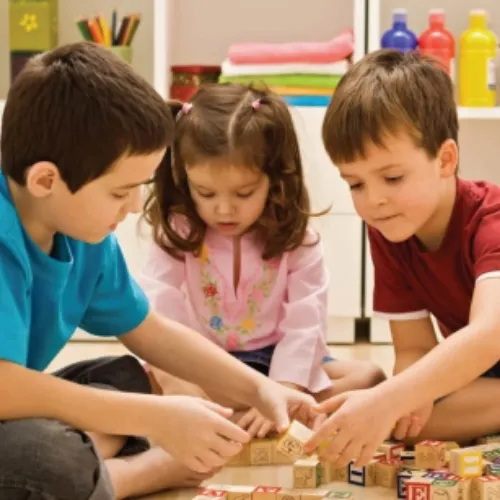
Holistic early childhood development focused on the learner through hands-on learning activities appropriate for each age group. Children gain a wide variety of direct experiences while teachers act as guides, motivators, and facilitators, helping children connect knowledge and build understanding through their own learning experiences.
Singapore Math Learning
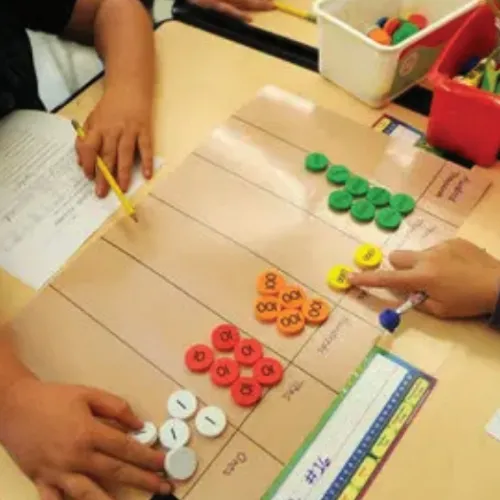
Mathematics learning is developed through innovative educational materials and technology such as manipulatives, blocks, geometric shapes, pictures, and various objects to help children learn mathematical skills connected to everyday life. This approach promotes genuine understanding in areas such as classification, sequencing, comparison, matching, shapes, numbers, and numerical concepts. The program follows the Concrete–Pictorial–Abstract approach, progressing from real objects, to pictures, and finally to symbols for deeper mathematical understanding.
English as a Second Language (ESL)
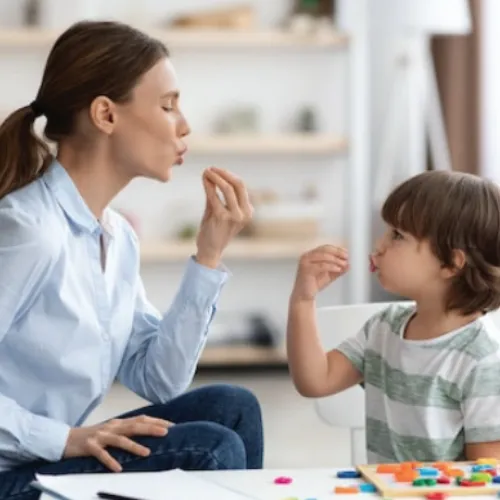
Children learn English as a second language with Native English Teachers who help develop all four language skills: listening, speaking, reading, and writing. The program emphasizes practice opportunities and creates a learning environment through everyday activities that help children effectively improve their English communication skills.
Project Approach
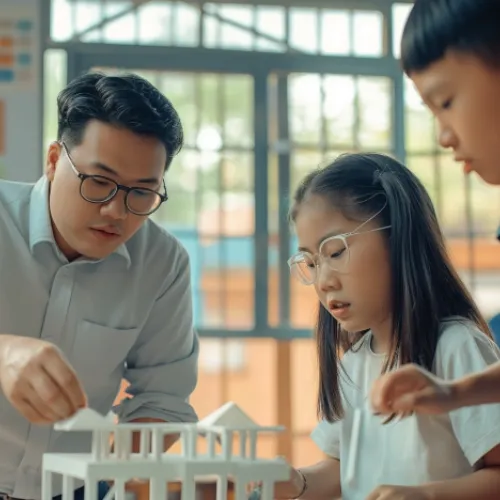
The school organizes project-based learning according to children’s interests, allowing them to explore topics in depth. Research activities may be conducted individually, in small groups, or as a whole class. Children begin by asking questions and learning through investigation and problem-solving processes, while teachers serve as facilitators who support learning through direct experiences and various learning resources.
STEM Education
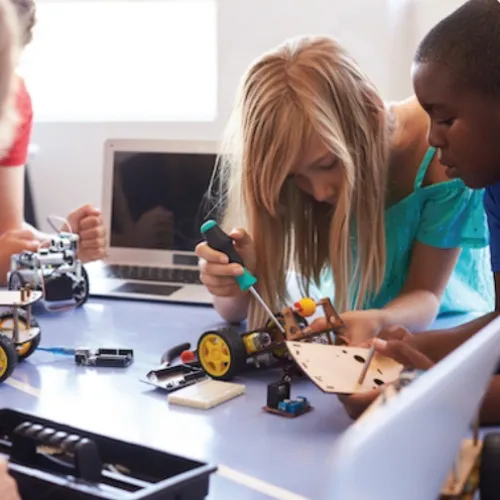
The STEM Education approach integrates Science and Engineering learning to develop children’s attitudes, skills, and abilities according to expected learning outcomes. The program focuses on encouraging curiosity, exploration, and problem-solving through the use of the five senses, simple safe experiments, and everyday materials. Children are encouraged to ask questions, share opinions freely, and learn in an environment that respects individual differences, while assessment is used to support and enhance each child’s learning development.
PHONICS
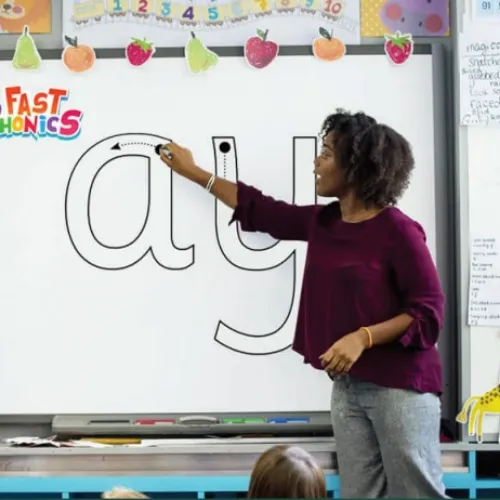
Phonics is a method of learning to read, write, and pronounce English by focusing on the relationship between letters (graphemes) and sounds (phonemes). Children learn the basic sounds of the 26 letters and how to blend sounds into words instead of relying on traditional memorization of spelling. This approach helps children read and write accurately, gain confidence in using English, understand the nature of the language, and improve their pronunciation and comprehension skills.
Thai Dance
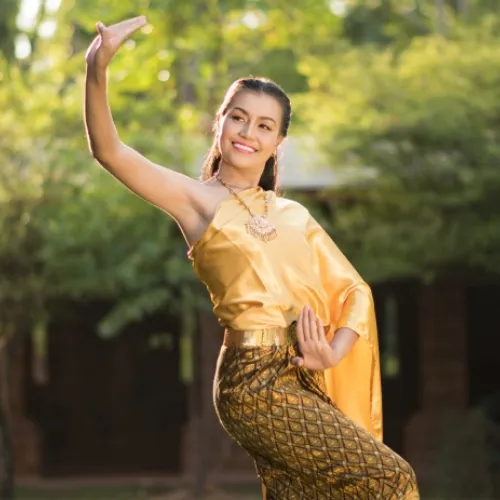
Thai classical dance helps enhance personality development for young children. Through practicing various dance movements, children engage in physical exercise that promotes strength, good health, graceful posture, and positive personality development. Thai dance also encourages self-confidence, positive expression, cheerful attitudes, and respect for others. In addition, it helps preserve and pass on Thailand’s valuable cultural heritage.
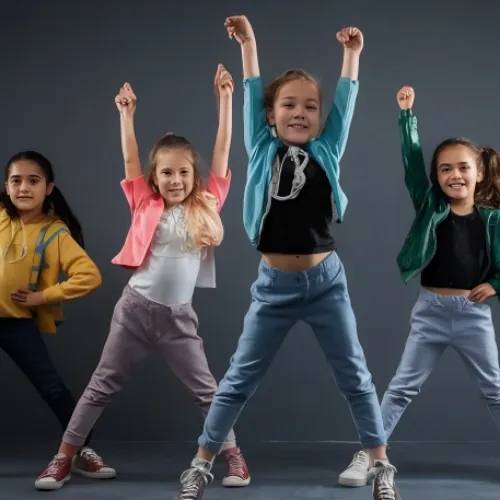
Dance
Movement to music benefits both physical and mental development and serves as a form of emotional expression without words. Various dance styles include:
- Hip Hop / Street Dance: Energetic street-style dance focused on fun rhythms
- K-Pop Cover Dance: Dance performances inspired by popular Korean artists
- Aerobic / Zumba: Exercise-focused dance for cardiovascular health and strength
- Jazz / Ballroom: Elegant and graceful dance movements
- Ballet: Storytelling through expressive body movements
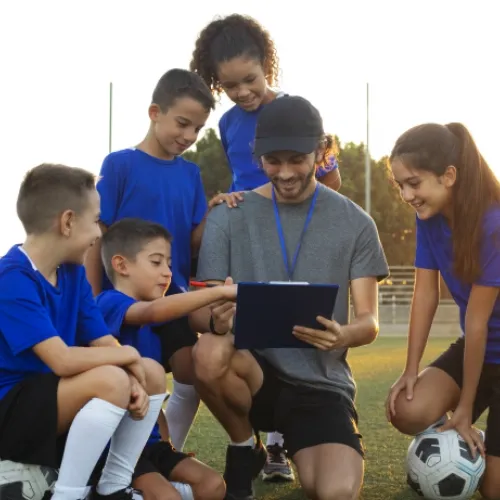
Sport
Sports activities and games help develop physical fitness and skills under agreed rules and regulations. The main objectives are enjoyment, relaxation, healthy competition, and the development of physical and mental strength. Sports programs include swimming, football, and taekwondo, while also promoting discipline and sportsmanship among children.